Commodore 1084 Monitor
Gallery
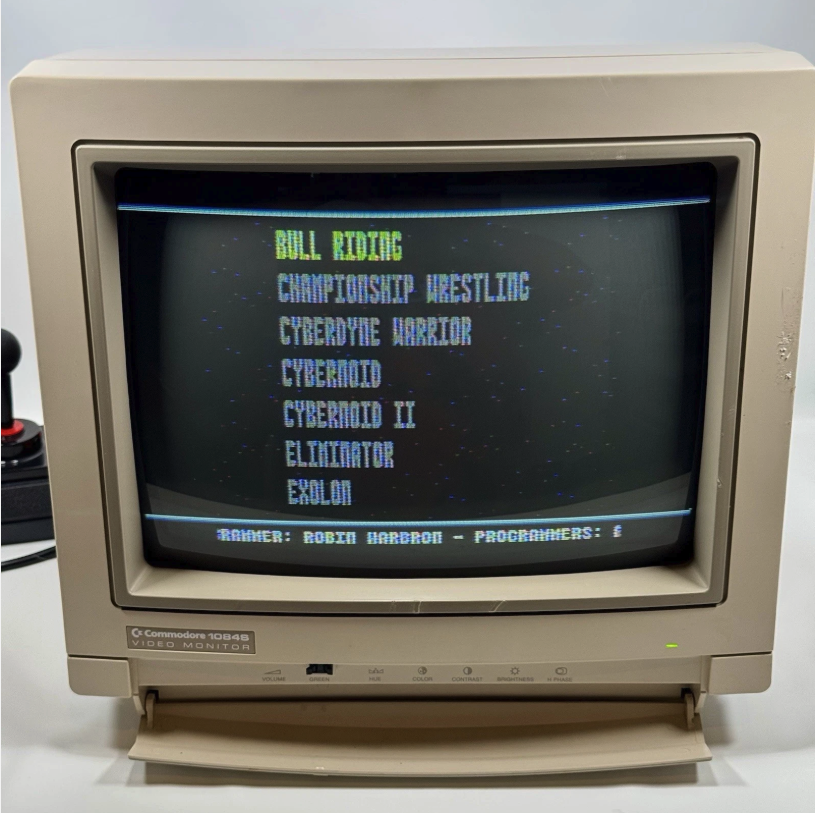
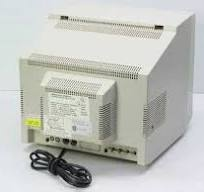
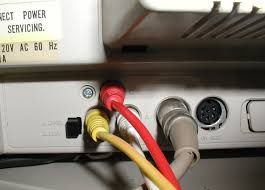
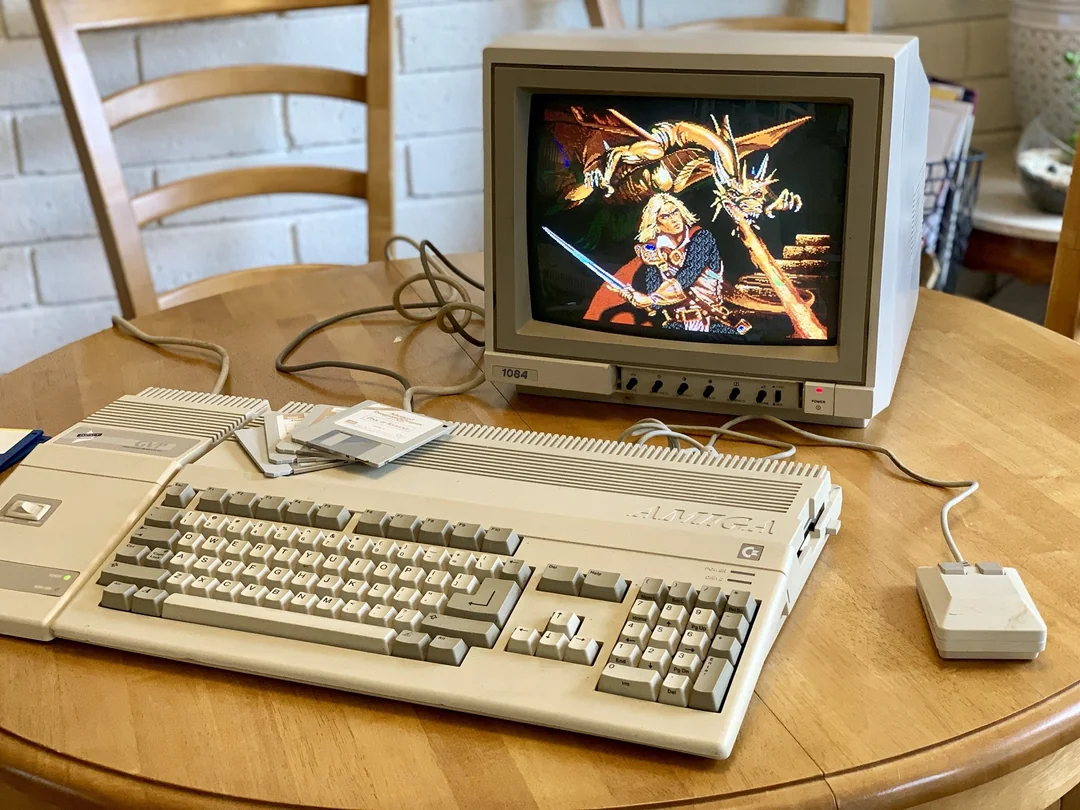
Commodore 1084 Monitor
“The 1084 wasn’t just a monitor—it was the window to the Amiga’s soul. We designed it to showcase the Amiga’s advanced graphics and sound capabilities, with crisp RGB input that made games and demos look absolutely stunning. The built-in stereo speakers delivered the Amiga’s four-voice sound with remarkable clarity. Many Amiga users spent countless hours in front of a 1084, and to this day, that distinctive amber power LED and the soft hum of the CRT are instantly recognizable to anyone who grew up with an Amiga.” - RJ Mical, Amiga Designer
The Commodore 1084 was a 13-inch color CRT monitor that became the standard display for Amiga and Commodore 8-bit computer users throughout the late 1980s and early 1990s. Introduced in 1985, it featured multiple input options including composite video, separate chroma/luma (S-Video), and RGB, making it compatible with a wide range of computers. The 1084 was particularly prized for its sharp image quality, excellent color reproduction, and built-in stereo speakers. Its rugged construction and reliable performance made it a favorite among both home users and professionals, and it remains one of the most iconic computer monitors of the 16-bit era.
Technical Specifications
Technical Specifications
- Dimensions
- 34 × 32 × 35 cm (13.4 × 12.6 × 13.8 in)
- Weight
- 16.3 kg (36 lb)
Features and Capabilities
Display Characteristics
- Screen Size: 13” viewable (diagonal)
- Aspect Ratio: 4:3
- Screen Coating: Anti-glare, anti-static
- Color Temperature: 9300K (standard)
- Horizontal Frequency: 15.75 kHz (NTSC), 15.625 kHz (PAL)
- Vertical Frequency: 50/60 Hz (switchable)
- Video Bandwidth: 12 MHz
- Dot Clock: 28 MHz
Inputs and Outputs
- Composite Video: RCA jack (yellow)
- Chroma/Luma: 8-pin DIN (S-Video)
- RGB: 9-pin D-sub (analog RGB)
- TTL RGBI: 9-pin D-sub (digital RGBI for CGA/EGA)
- Audio Input: RCA jacks (red/white)
- Audio Output: RCA jacks (loop-through)
- Speakers: 2 × 2.5” (stereo, 1W per channel)
- Headphone Jack: 3.5mm stereo
Controls
- Front Panel:
- Power switch
- Power LED (amber)
- Brightness
- Contrast
- Horizontal size/position
- Vertical size/position
- Volume
- Balance
- Input selector
- Rear Panel:
- Service adjustments
- Vertical hold
- Horizontal hold
- Color adjustment
Models and Variants
Commodore 1084 (1985-1987)
- Model Number: 1084
- Features: Beige case, analog RGB input
- Compatibility: Amiga, Atari ST, C64, C128
- Known Issues: Early units had geometry issues
Commodore 1084S (1987-1990)
- Improvements: Stereo speakers, better shielding
- Changes: Darker case color, improved electronics
- Compatibility: All Commodore systems, some PCs
Commodore 1084S-D (1990-1994)
- Features: On-screen display (OSD)
- Changes: Digital controls, memory presets
- Compatibility: Wider range of computers
OEM Variants
- Philips CM8833-II: European variant
- Daewoo CMC-1302: Korean market
- Thomson CM1802: French variant
Usage and Setup
Connecting to an Amiga
- RGB Connection (Best Quality):
- Connect the 23-pin RGB cable to the Amiga
- Connect the other end to the 9-pin RGB input
- Connect audio cables (red/white)
- Set input to “RGB”
- Chroma/Luma Connection:
- Connect the 5-pin DIN to the monitor’s chroma/luma input
- Connect audio cables
- Set input to “LCA” (Luma/Chroma/Audio)
- Composite Connection:
- Connect the composite video (yellow) to the input
- Connect audio cables
- Set input to “Video”
Recommended Settings
- Brightness: 60-70%
- Contrast: 70-80%
- Color: 60-70%
- Sharpness: 50%
- Volume: As needed
Technical Details
CRT Specifications
- Tube Type: A48JLL90X
- Anode Voltage: 24.5 kV
- Deflection Angle: 90°
- Phosphor Type: P22
- Screen Curvature: Spherical
- Convergence: Static and dynamic
Video Processing
- Luma Bandwidth: 12 MHz
- Chroma Bandwidth: 2.5 MHz
- RGB Bandwidth: 10 MHz
- Input Impedance: 75 ohms
- Input Level: 0.7Vp-p (RGB), 1Vp-p (composite)
Audio Specifications
- Amplifier: 2 × 1W (stereo)
- Frequency Response: 100Hz - 15kHz
- Input Impedance: 10k ohms
- Input Level: 0.5V RMS
- Speakers: 2 × 2.5” full-range
- Headphone Output: 32 ohms
Common Issues and Solutions
Common Problems
- No Power
- Check power cord connection
- Test power switch
- Check fuse (T1.6A/250V)
- No Picture
- Verify input selection
- Check video cable
- Test with another device
- Poor Color
- Adjust color control
- Check chroma/luma connection
- Degauss if necessary
- Geometry Issues
- Adjust vertical/horizontal size/position
- Check for magnetic interference
- May require professional service
Maintenance
- Cleaning: Use microfiber cloth and monitor cleaner
- Ventilation: Ensure proper airflow
- Degaussing: Use built-in degausser or external coil
- Capacitor Replacement: Common in aging units
Hacks and Modifications
Common Mods
- VGA Conversion: For modern computers
- Recap Kits: Replace aging capacitors
- LED Power Indicator: Replace incandescent lamp
- Speaker Upgrade: Better audio quality
- SCART Input: For European systems
Service Adjustments
- Screen Voltage: Adjust focus and G2
- Convergence: Adjust purity rings
- Geometry: Adjust yoke position and magnets
- White Balance: Adjust RGB cutoffs and drives
Legacy and Impact
Historical Significance
- Industry Standard: The definitive Amiga monitor
- Professional Use: Used in video production
- Gaming: Beloved by retro gamers
- Durability: Many units still in use today
Collectibility
- Value: $150-$500 depending on condition
- Rare Variants: Early 1084 models
- Mint Condition: Boxed units command premium prices
- Restoration: Popular with retro enthusiasts
Modern Alternatives
- OSSC: For modern displays
- RetroTINK: Line doubler
- Framemeister: Upscaler
- CRT Emudriver: For CRT monitors
Technical Documentation
Pinouts
9-pin D-sub (RGB)
1 - Ground
2 - Ground
3 - Red
4 - Green
5 - Blue
6 - Ground
7 - VSync
8 - HSync
9 - Composite Sync
8-pin DIN (Chroma/Luma/Audio)
1 - Audio Left
2 - Ground
3 - Audio Right
4 - Luma
5 - Ground
6 - Chroma
7 - Not Connected
8 - Not Connected
Service Adjustments
- Focus: Adjust focus potentiometer
- Screen: Adjust G2 control
- Convergence: Adjust purity rings
- Geometry: Adjust yoke position
- White Balance: Use color bars
In Popular Culture
- Featured in Amiga demos and games
- Appears in 1980s/90s computer magazines
- The subject of YouTube restoration videos
- Referenced in retro computing forums
Further Reading
- Amiga Hardware Database - 1084
- Vintage Computer Forums
- Amiga.org Hardware Database
- Commodore 1084 Service Manual
About This Page
This page documents the technical specifications, operation, and legacy of the Commodore 1084 monitor. Information is based on official documentation, service manuals, and community knowledge.