Commodore 116
Gallery
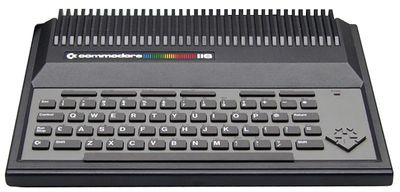
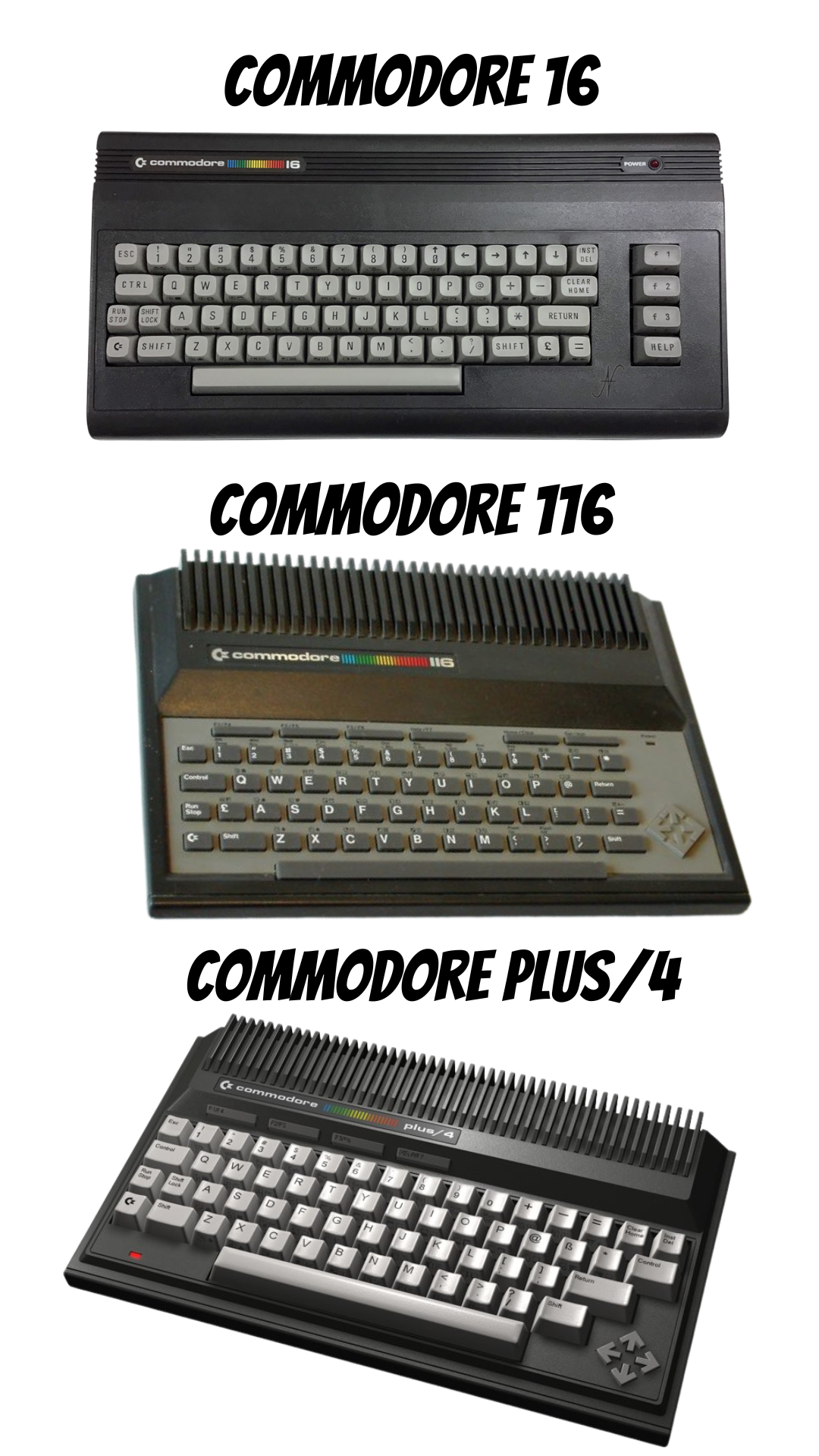
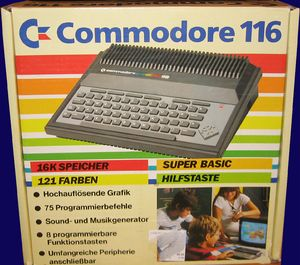
Commodore 116 (C116)
“The C116 was our attempt to create an even more affordable computer than the C16 for the European market. The chiclet keyboard was a cost-saving measure, but it gave the machine a unique character. While it never achieved the success of the C64, it found a niche in Eastern Europe where its low price made it accessible to many first-time computer buyers.” - Bil Herd, Commodore Engineer
The Commodore 116 (C116) was an 8-bit home computer released by Commodore in 1984 as part of the TED series, which also included the Commodore 16 and Plus/4. Designed specifically for the European market, the C116 was positioned as an ultra-budget alternative to the more capable Commodore 16, featuring the same TED (Text Editing Device) chip but with a smaller, more affordable chiclet keyboard. Despite its low price point, the C116 was overshadowed by the more popular Commodore 64 and was discontinued after a short production run, making it a rare collector’s item today.
The Budget Commodore
The C116 was part of Commodore’s strategy to capture the low-end home computer market in Europe. It was designed to be as affordable as possible while still offering basic computing and gaming capabilities, making it particularly popular in Eastern European countries where computer ownership was still relatively rare.
Key Features
- MOS 7501 CPU: 1.76 MHz (PAL) / 1.77 MHz (NTSC)
- TED Chip: Combined video and sound
- 16 KB RAM: Expandable to 64 KB
- Chiclet Keyboard: Low-cost alternative to full-travel keys
- Compact Design: Smaller than the C16
- BASIC 3.5: Improved over C64’s BASIC 2.0
Technical Specifications
Technical Specifications
- CPU
- MOS 7501 @ 1.76 MHz (PAL) / 1.77 MHz (NTSC)
- Memory
- 16 KB RAM (expandable to 64 KB), 32 KB ROM (BASIC 3.5, KERNAL)
- Graphics
- TED - 320×200, 16 colors from 121, 8 sprites
- Sound
- TED - 2 channels, 4 octaves, noise
- Storage
- Datasette (300 baud), optional 5.25" floppy (1541 compatible)
- Ports
- Cartridge, tape, serial, TV/RF, 2× joystick, power
- Operating System
- Commodore BASIC 3.5
Design and Features
Physical Design
- Case: Beige plastic with dark brown keys
- **Dimensions”: 30 × 20 × 5 cm (11.8 × 7.9 × 2 in)
- **Weight”: 1.2 kg (2.6 lb)
- **Keyboard”: Chiclet-style (non-mechanical)
- **Power Supply”: External 9V AC adapter
Display
- **Output”: RF and composite video
- **Text Modes”: 40×25 characters
- **Graphics Modes”: 160×200 (multicolor), 320×200 (hi-res)
- **Colors”: 16 from palette of 121 (8×8 color attribute grid)
Storage and I/O
- **Tape Interface”: Built-in for Datasette
- **Cartridge Port”: For ROM cartridges
- **Serial Port”: For disk drives and printers
- **Joystick Ports”: 2× DE-9
The C116 Experience
For Home Users
- **Gaming”: Simple arcade and puzzle games
- **Education”: Learning BASIC programming
- **Productivity”: Word processing and spreadsheets
- **Music”: Simple music composition
For Enthusiasts
- **Programming”: Machine language and BASIC
- **Hardware Hacking”: Expansion projects
- **Collecting”: Rare and unique
- **Preservation”: Software archiving
Software
- **Built-in BASIC”: 3.5 with sound and graphics commands
- **Games”: Cartridge and tape-based
- **Utilities”: Word processors, spreadsheets
- **Educational”: Learning software
Technical Deep Dive
CPU and Memory
- **7501 Processor”: 8-bit, 1.76/1.77 MHz
- **Memory Map”:
- $0000-$0FFF: RAM (4 KB)
- $1000-$7FFF: RAM (28 KB)
- $8000-$BFFF: ROM (16 KB)
- $C000-$FFE7: I/O and ROM
- $FFE8-$FFFF: Vectors
- **ROM”: 32 KB (BASIC 3.5, KERNAL)
Graphics System
- **TED Chip”: MOS 7360
- **Resolutions”:
- 160×200 (multicolor)
- 320×200 (hi-res)
- 640×200 (extended color)
- **Colors”: 16 from 121 (8×8 attributes)
- **Sprites”: 8×8 or 8×16 pixels
- **Scrolling”: Hardware smooth scrolling
Audio System
- **TED Sound”:
- 2 square wave channels
- 4 octaves
- Noise generator
- 6-bit volume control
- **Audio Output”: Mono (TV speaker)
The C116 Legacy
Commercial Performance
- **Release”: June 1984
- **Discontinuation”: 1985
- **Price”: $49.95 (without monitor)
- **Markets”: Primarily Eastern Europe
Why It Was Less Successful
- **Limited Distribution”: Europe only
- **Keyboard Issues”: Chiclet keys unpopular
- **Competition”: From C64 and ZX Spectrum
- **Timing”: Market moving to 16-bit
Collector’s Item
- **Rarity”: Very rare
- **Price Range”: $200-$1,000+
- **Sought-After Items”:
- Boxed systems
- Documentation
- Software
- Peripherals
Notable Software
Games
- **Zenji”: Puzzle
- **Arcadia”: Compilation
- **International Soccer”: Sports
- **Alleykat”: Arcade
- **Grand Prix Simulator”: Racing
Applications
- **Speedscript”: Word processor
- **Vizastar”: Star chart
- **Superbase”: Database
- **VizaTerm”: Terminal program
Technical Notes for Enthusiasts
Common Issues
- **Keyboard Failure”: Membrane issues
- **Power Supply”: Voltage regulation
- **TED Chip”: Overheating
- **Cartridge Slot”: Dirty contacts
Restoration Tips
- **Keyboard Cleaning”: Remove keycaps
- **Recap Power Supply”: Replace capacitors
- **TED Cooling”: Add heatsink
- **Case Restoration”: Clean and retrobright
Modern Upgrades
- **RAM Expansions”: Up to 64 KB
- **SD Card Storage”: Modern storage solutions
- **Video Output”: RGB/SCART mods
- **PS/2 Keyboard”: Replace membrane
The C116 Today
Emulation
- **VICE”: Accurate emulation
- **MAME”: Arcade emulation
- **Web Emulators”: Browser-based
Community
- **Forums”: Lemon64, C16-Forum
- **User Groups”: Local meetups
- **Preservation”: Software archives
Uses
- **Retro Gaming”: Classic experience
- **Education”: Computing history
- **Collecting”: Rare hardware
- **Hacking”: Hardware projects
Did You Know?
- The C116 was codenamed “264” during development
- It was the only Commodore with a chiclet keyboard
- Some C116s were rebranded for Eastern European markets
- The C116 was used in some schools in Hungary and Poland
- A rare C116+ model had a full-travel keyboard
The C116 in Popular Culture
- Rarely featured in mainstream media
- Appears in retro computing documentaries
- The subject of YouTube restoration videos
- Mentioned in books about 1980s computing