Commodore 128
Gallery
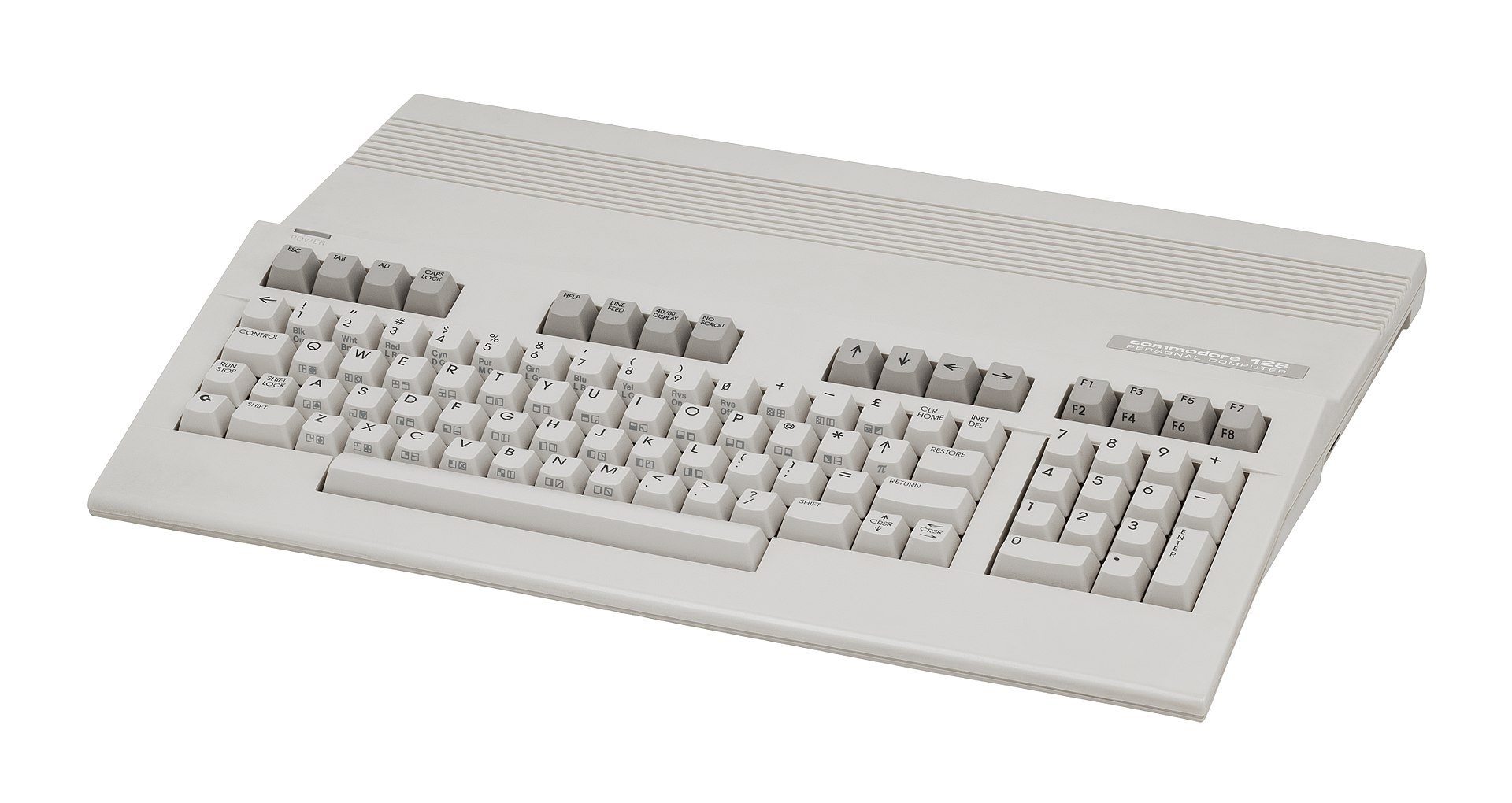
Commodore 128 computer
The Commodore 128 in all its glory, featuring a full-travel keyboard and dual-processor design.
C128 keyboard detail
The C128's keyboard featured 92 keys with four cursor keys and a numeric keypad.
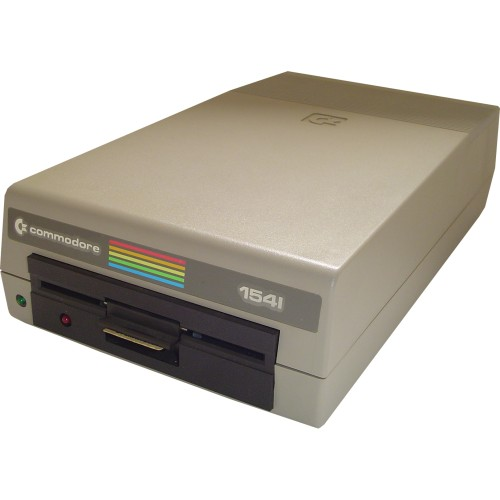
C128 system setup
A complete C128 setup with monitor and dual disk drives, showing its business-oriented design.
Commodore 128
“The Commodore 128 was a Swiss Army knife in a world of single-blade pocket knives. It wasn’t just three computers in one—it was a statement that Commodore was serious about the future of computing.” - Bil Herd, Lead Engineer of the C128
The Commodore 128 (C128) was Commodore’s last 8-bit home computer, released in January 1985. Marketed as “The Power to Command,” it was one of the most technically sophisticated 8-bit computers ever produced, featuring three operating modes in one machine: C128 mode, C64 mode, and CP/M 3.0 compatibility.
A Computer of Firsts
The C128 was groundbreaking for several reasons:
- First home computer with 128KB of RAM
- First with a full-travel keyboard and separate numeric keypad
- First with a built-in machine language monitor
- First with a Z80 processor for CP/M compatibility
- First with 80-column display capability (with RGBI monitor)
Technical Specifications
Technical Specifications
- CPU
- MOS 8502 @ 2 MHz (1 MHz in C64 mode) + Z80 @ 4 MHz (CP/M mode)
- Memory
- 128 KB RAM (bank-switched) + 72 KB ROM (including BASIC 7.0 & KERNAL)
- Graphics
- VIC-II (40/80 columns, 320×200, 16 colors) + VDC (640×200, 16 colors in 80-column mode)
- Sound
- SID 6581 (3 channels, 4 waveforms, filter, ADSR)
- Storage
- 1571 Floppy Drive (5.25", 360KB), 1581 (3.5", 800KB), Datasette
- Ports
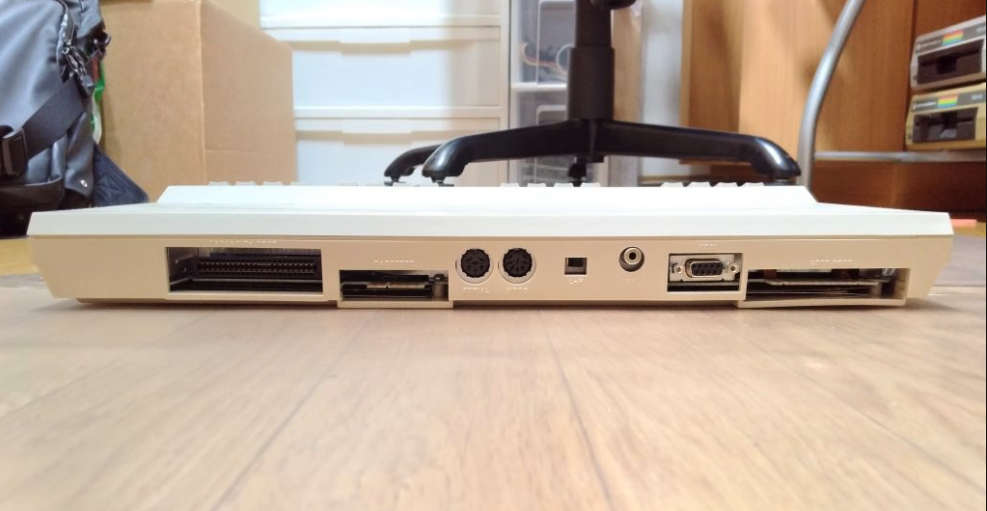
- Cartridge, tape, serial, user, RGBI, TV/RF, composite, 2× joystick, power
- Operating System
- Commodore BASIC 7.0, C64 KERNAL, CP/M 3.0
Three Computers in One
1. C128 Mode
- Full 128KB RAM
- 80-column display (with RGBI monitor)
- Advanced BASIC 7.0
- Built-in machine language monitor
- 2 MHz processing speed
2. C64 Mode
- Full hardware compatibility with C64
- Access to thousands of existing games and applications
- Uses original C64 BASIC 2.0
3. CP/M Mode
- Runs CP/M 3.0 business software
- Z80 processor at 4 MHz
- Access to thousands of CP/M applications
- 80-column display support
The C128 Experience
For Business Users
- Professional keyboard with numeric keypad
- 80-column text for word processing and spreadsheets
- CP/M compatibility for business software
- Dual floppy drive support
For Programmers
- Built-in machine language monitor
- BASIC 7.0 with sound and graphics commands
- Structured programming constructs
- Sprite and character set editors
For Gamers
- Full C64 compatibility
- Some games took advantage of the extra RAM
- Faster disk access in C128 mode
- Better keyboard for text adventures
Technical Deep Dive
Memory Architecture
- Bank 0: 64K (shared with VIC-II)
- Bank 1: 64K (accessible when VIC-II isn’t using the bus)
- ROM: 32K BASIC + 32K KERNAL + 8K character ROM
- I/O Area: Memory-mapped I/O registers
Video Capabilities
- 40-column mode: 320×200, 16 colors, 8 sprites
- 80-column mode: 640×200, 16 colors (via separate VDC chip)
- RGBI output: For sharp 80-column display
- Composite/RF: For standard TVs
Sound Features
- Same SID chip as C64
- Stereo sound possible with expansion
- Four-voice synthesis with ring modulation
- Programmable filters
The C128 Legacy
Commercial Success
- Sold over 5 million units
- Popular in schools and businesses
- Strong following in Europe and South America
Technical Influence
- Demonstrated the potential of 8-bit computing
- Inspired later multi-mode computers
- Showcased the value of backward compatibility
Collector’s Item
- Highly sought after by retro computing enthusiasts
- Active development of new software continues
- Strong community support
Notable Software
C128 Native
- GEOS 128: Advanced graphical environment
- SuperCPU: 20 MHz accelerator
- ProTerm 128: Terminal program
- SpeedScript 128: Word processor
CP/M Software
- WordStar: Word processing
- dBase II: Database
- SuperCalc: Spreadsheet
- Multiplan: Spreadsheet
Technical Notes for Enthusiasts
Hardware Revisions
- Original C128 (1985): First release, 8502 CPU
- C128D (1986): Desktop version with built-in 1571 drive
- C128DCR (1988): Cost-reduced version
Common Issues
- PLA Chip: Can fail and cause system instability
- SID Chip: Same issues as C64
- Power Supply: Original PSUs can fail and damage the computer
Modern Upgrades
- RAM Expansion: Up to 2MB with modern expansions
- Storage: SD card solutions like the 1541 Ultimate
- Networking: Ethernet and WiFi interfaces
The C128 Community Today
User Groups
- Active communities on forums and social media
- Annual Commodore conventions
- Local user groups worldwide
New Development
- Homebrew games and demos
- Hardware expansions
- Development tools and compilers
Emulation
- VICE: Full C128 emulation
- MAME: Arcade emulation with C128 support
- FPGA: Hardware-accurate recreations
Did You Know?
- The C128 was the first home computer to ship with a demo program (“The Commodore 128 Personal Computer”)
- It could address up to 16MB of RAM with bank switching
- Some C128s were used as bulletin board system (BBS) computers well into the 1990s
- The C128’s Z80 processor runs at 4 MHz but only when the 8502 is idle, as they share the same bus
The C128 in Popular Culture
- Featured in the movie “The Manhattan Project” (1986)
- Appeared in the TV show “Mr. Robot” as part of a retro computing setup
- Referenced in the book “Ready Player Two” by Ernest Cline