Commodore 128D
Gallery
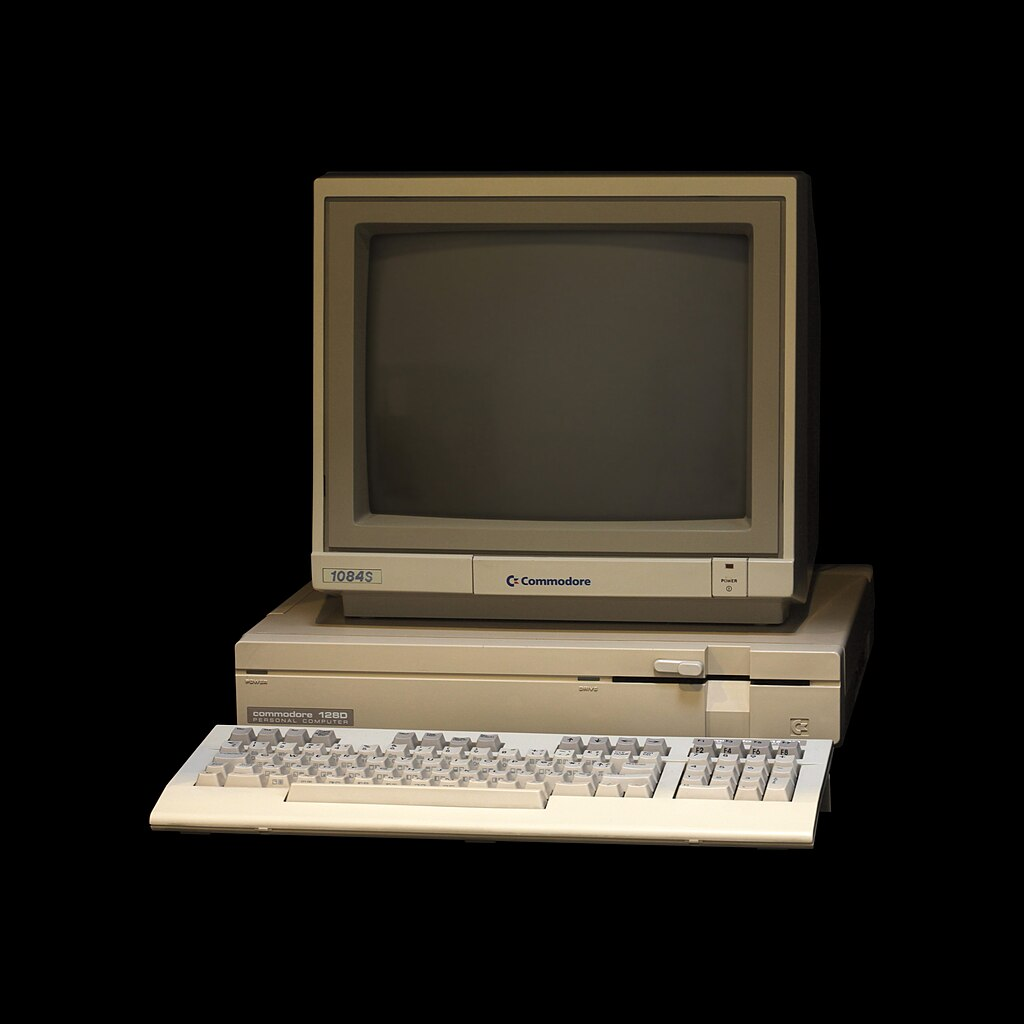
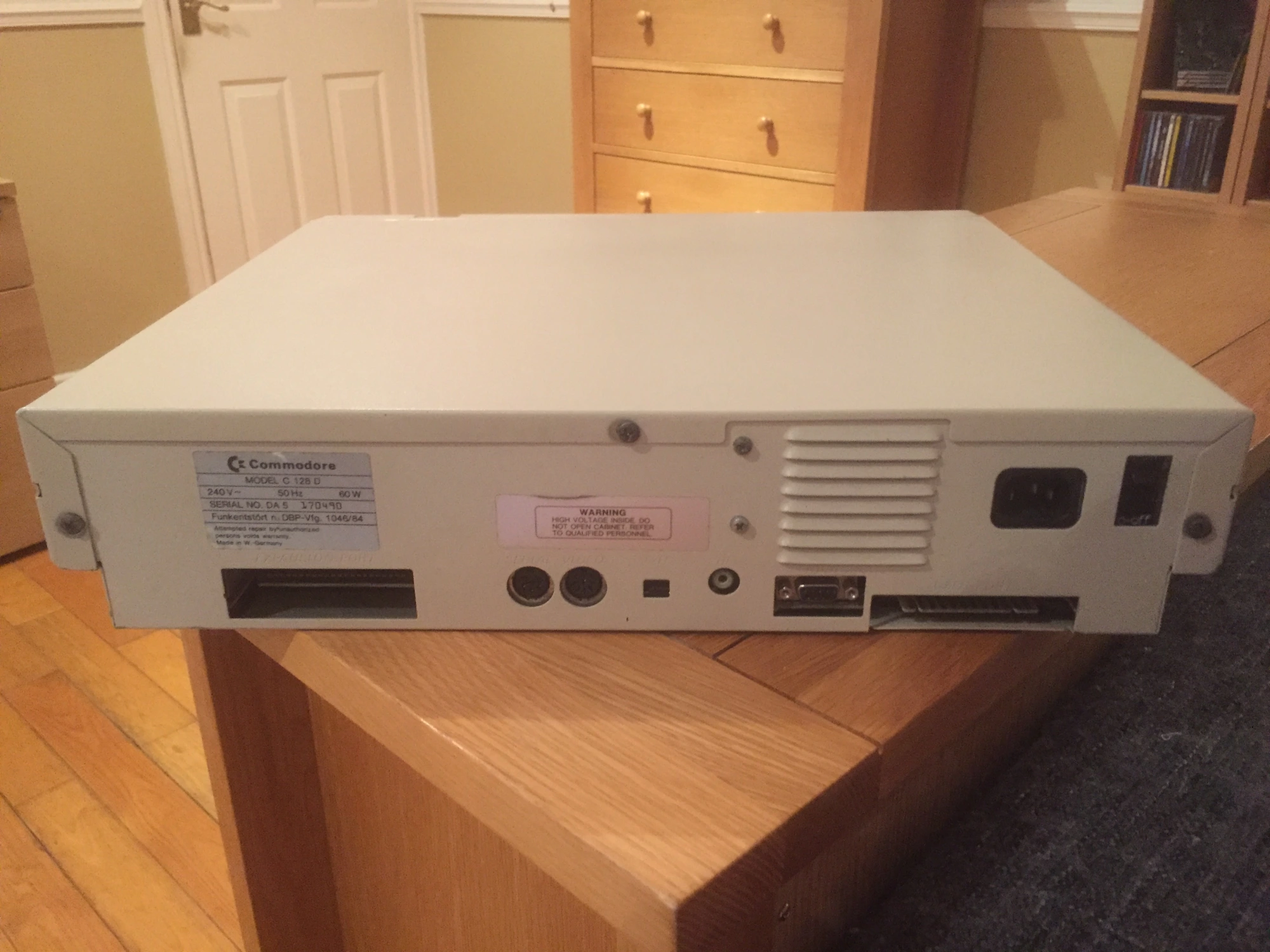
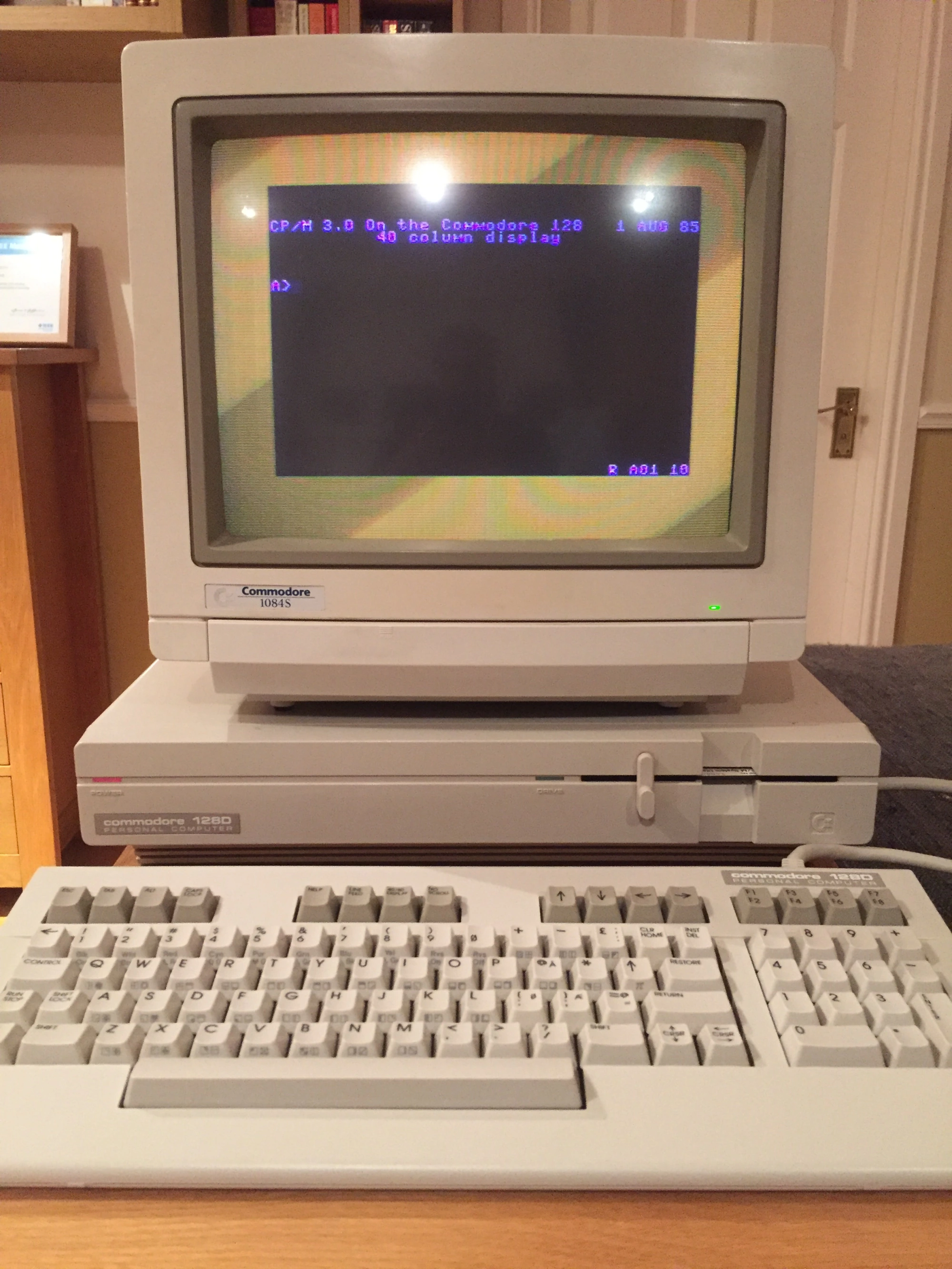
Commodore 128D
“The 128D was Commodore’s answer to the desktop PC. It was everything the 128 was, but in a professional package that looked at home in any office. That built-in 1571 drive made it a dream to use.” - Bil Herd, Commodore Engineer
The Commodore 128D (C128D) was the desktop version of the popular Commodore 128, released in 1986. Featuring an all-in-one design with a built-in 1571 floppy drive and detachable keyboard, the 128D offered a more professional appearance than its breadbox-style sibling while maintaining full compatibility with both C128 and C64 software. It represented Commodore’s attempt to compete with business-oriented computers like the Apple IIe and IBM PC.
The Professional 8-Bit
The 128D was designed to bridge the gap between home and business computing. Its sleek, beige case and professional appearance made it suitable for office environments, while its three operating modes (C128, C64, and CP/M) provided exceptional software compatibility.
Key Features
- Built-in 1571 Floppy Drive: Faster and more reliable than the 1541
- Detachable Keyboard: Full-travel keys with numeric keypad
- Multiple Video Outputs: Composite, RGBI, and RF
- 128KB RAM: Ample memory for business applications
- Three Operating Modes: C128, C64, and CP/M 3.0
Technical Specifications
Technical Specifications
- CPU
- MOS 8502 @ 2 MHz (1 MHz in C64 mode) + Z80 @ 4 MHz (CP/M mode)
- Memory
- 128 KB RAM (bank-switched) + 72 KB ROM
- Graphics
- VIC-II (40/80 columns, 320×200, 16 colors) + VDC (640×200, 16 colors in 80-column mode)
- Sound
- SID 8580 (3 channels, 4 waveforms, filter, ADSR)
- Storage
- Built-in 1571 floppy drive (5.25", 360KB), optional external drives
- Ports
- Cartridge, serial, user, RGBI, TV/RF, composite, 2× joystick, power
- Operating System
- Commodore BASIC 7.0, C64 KERNAL, CP/M 3.0
Design and Features
Professional Aesthetics
- All-in-One Design: Floppy drive integrated into the main unit
- Detachable Keyboard: Full-travel keys with numeric keypad
- Ventilation: Improved cooling over the original C128
- Case Design: Sleek, professional look in light beige
Enhanced I/O
- RGBI Output: For crisp 80-column text on compatible monitors
- User Port: For peripherals and expansions
- Serial Bus: For connecting additional drives and printers
- Cartridge Port: For software and hardware expansions
Storage Solutions
- Built-in 1571: 360KB double-sided floppy drive
- Dual Drives: Could control a second external drive
- Fast Load: Improved disk access speeds
- CP/M Support: Read MS-DOS formatted disks in CP/M mode
The 128D Experience
For Business Users
- Word Processing: SpeedScript, Vizawrite, WordPro
- Spreadsheets: SuperCalc, Multiplan
- Databases: File 2000, dBase II
- Communications: Terminal programs for BBS access
For Programmers
- BASIC 7.0: Advanced programming environment
- Machine Language: Full access to hardware
- CP/M Development: Tools for CP/M software
- Demo Scene: Used for 128K intros and demos
For Gamers
- Full C64 Compatibility: Access to thousands of games
- Enhanced Games: Some titles took advantage of extra RAM
- Better Loading: Faster disk access than tape-based systems
Technical Deep Dive
Motherboard Revisions
- Original 128D (1986): Metal case, external power supply
- 128DCR (1988): Cost-reduced plastic case, internal PSU
- 128D-ALPS: Different keyboard mechanism
- 128DCR-00: Final revision with fewest chips
Memory Architecture
- Bank 0: 64K (shared with VIC-II)
- Bank 1: 64K (accessible when VIC-II isn’t using the bus)
- ROM: 32K BASIC + 32K KERNAL + 8K character ROM
- I/O Area: Memory-mapped I/O registers
Video Modes
- 40-Column: 320×200, 16 colors, 8 sprites (VIC-II)
- 80-Column: 640×200, 16 colors (VDC)
- Composite: For standard TVs
- RGBI: For professional monitors
The 128D Legacy
Commercial Performance
- Markets: Strong in Europe and South America
- Business Adoption: Used in offices and schools
- Longevity: In production until 1989
Why It Stood Out
- Professional Design: Looked at home in offices
- Built-in Drive: No separate disk drive needed
- CP/M Compatibility: Access to business software
- C64 Mode: Huge software library
Collector’s Item
- Desirability: Highly sought after
- Price Range: $200-$800 depending on condition
- Rarity: Less common than standard C128
Notable Software
Business
- GEOS 128: Graphical operating system
- Superbase 128: Database
- VizaWrite: Word processor
- SuperCalc 3: Spreadsheet
Development
- Merlin 128: Assembler
- BASIC 7.0: Built-in programming
- Machine Language Monitor: For low-level programming
Games
- The Bard’s Tale: RPG
- Elite: Space trading game
- SimCity: City-building simulation
- Arkanoid: Breakout clone
Technical Notes for Enthusiasts
Common Issues
- Power Supply: Original PSUs can fail
- Keyboard: Keycaps can yellow
- Floppy Drive: Heads may need cleaning
- Chips: PLA and SID chips can fail
Modern Upgrades
- RAM Expansions: Up to 2MB
- Storage: SD card solutions
- Video: RGB to HDMI converters
- Networking: Ethernet interfaces
The 128D Today
Emulation
- VICE: Full 128D emulation
- MAME: Arcade emulation with 128D support
- FPGA: Hardware-accurate recreations
Community
- Forums: Active discussions
- Events: Retro computing meetups
- Development: New software and hardware
Did You Know?
- The 128D was originally going to have a built-in 3.5” drive
- Some 128Ds were sold with a matching monitor (the 1902)
- The 128D’s case was designed to match the Amiga 2000
- A rare variant called the 128D-80 was planned with an 8088 processor for PC compatibility
- The 128D was used in some Eastern European schools well into the 2000s
The 128D in Popular Culture
- Featured in the movie “The Manhattan Project” (1986)
- Appeared in the TV show “Mr. Robot” as part of a retro computing setup
- Used by author William Gibson while writing parts of the “Sprawl” trilogy