Commodore 128DCR
Gallery


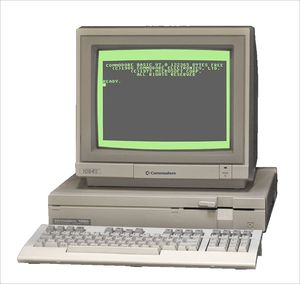
Commodore 128DCR (128D Cost Reduced)
“The 128DCR was our attempt to reduce manufacturing costs while maintaining the same great functionality of the original 128D. We managed to simplify the motherboard layout and reduce the chip count, which made it more reliable and cheaper to produce. It might not have been as glamorous as some of our other machines, but it was a solid workhorse that served its users well.” - Bil Herd, Commodore Engineer
The Commodore 128DCR (Cost Reduced) was an updated version of the Commodore 128D home computer, released by Commodore in 1986. The DCR variant featured a redesigned, more cost-effective motherboard that reduced the chip count and simplified the internal layout while maintaining full compatibility with the original 128D. Like its predecessor, the 128DCR was a professional-looking all-in-one computer with a built-in 1571 floppy disk drive and detachable keyboard, offering three computing modes: C128, C64, and CP/M.
The Refined 128D
The 128DCR was essentially a hardware revision of the original 128D, designed to be more cost-effective to manufacture while addressing some of the issues of the earlier model. It retained all the functionality of the original 128D but with improved reliability and lower production costs.
Key Features
- Dual CPUs: 8502 (2 MHz) and Z80 (4 MHz)
- Three Modes: C128, C64, and CP/M compatibility
- Memory: 128 KB RAM (expandable to 512 KB)
- Built-in 1571 Floppy Drive: 360 KB capacity
- Full-size Keyboard: With numeric keypad
- Cost-reduced Motherboard: Improved reliability
Technical Specifications
Technical Specifications
- CPU
- MOS 8502 @ 2 MHz (C128/64 modes), Z80 @ 4 MHz (CP/M mode)
- Memory
- 128 KB RAM (expandable to 512 KB), 72 KB ROM (Kickstart 2.0/2.1)
- Graphics
- VIC-II - 320×200, 16 colors, 8 sprites, smooth scrolling
- Sound
- SID 6581 - 3 channels, 4 waveforms, filter, ADSR
- Storage
- Built-in 1571 floppy drive (360 KB), external drives via serial
- Ports
- Cartridge, tape, serial, TV/RF, 2× joystick, RGB, user, power
- Operating System
- Commodore KERNAL/BASIC 7.0, CP/M 3.0
Design and Features
Physical Design
- Case: Beige plastic with built-in disk drive
- **Dimensions”: 48 × 40 × 15 cm (18.9 × 15.7 × 5.9 in)
- “Weight”: 7.7 kg (17 lb)
- “Keyboard”: Detachable 92-key with numeric keypad
- “Power Supply”: Internal (unlike original 128D)
Display
- **Output”: Composite, RGB, RF
- **Text Modes”: 40×25 or 80×25 characters
- **Graphics Modes”: 160×200 or 320×200 pixels
- **Colors”: 16 (from palette of 16)
- **Sprites”: 8 (up to 64 pixels wide)
Storage and I/O
- **Floppy Drive”: 1571 (360 KB, double-sided)
- **Expansion”: Internal expansion bus
- **Serial Port”: For printers and disk drives
- **User Port”: For peripherals
- **Cartridge Port”: For ROM cartridges
The 128DCR Experience
For Business Users
- Word Processing: SpeedScript, Vizastar
- Spreadsheets: SuperCalc, Multiplan
- Database: File 2000, dBase II
- Communications: Terminal programs
For Programmers
- BASIC 7.0: Enhanced with new commands
- Machine Language: Full 8502/Z80 support
- CP/M 3.0: Business software compatibility
- Development Tools: Assemblers, debuggers
For Gamers
- C64 Mode: Thousands of games
- C128 Mode: Enhanced games
- Joystick Support: 2 ports standard
- Paddles/Mice: Supported
Technical Deep Dive
CPU and Memory
- 8502 Processor: 2 MHz (C128/64 modes)
- Z80 Processor: 4 MHz (CP/M mode)
- Memory Map:
- $0000-$FFFF: RAM (64 KB banks)
- $D000-$DFFF: I/O and ROM
- $FF00-$FFFF: Vectors
- Bank Switching: For 128 KB address space
- ROM: 72 KB (KERNAL, BASIC, character sets)
Graphics System
- VIC-II Chip: MOS 8565/8566
- **Resolutions”:
- 160×200 (multicolor)
- 320×200 (hi-res)
- 640×200 (extended color)
- **Colors”: 16 (from 16-color palette)
- **Sprites”: 8 (24×21 pixels each)
- **Scrolling”: Smooth hardware scrolling
Audio System
- **SID Chip”: MOS 6581
- **Channels”: 3 independent
- **Waveforms”:
- Triangle
- Sawtooth
- Square (variable pulse width)
- Noise
- **Filter”: Programmable high/low/bandpass
- **Envelope Generators”: ADSR control
The 128DCR Legacy
Commercial Performance
- **Release”: 1986
- **Discontinuation”: 1989
- **Price”: $399.95 (without monitor)
- **Markets”: Worldwide, especially US and Europe
Why It Was Significant
- **Cost Reduction”: Cheaper to produce
- “Reliability”: Fewer chips than original 128D
- “Compatibility”: Full 128D functionality
- “Professional Appeal”: All-in-one design
Collector’s Item
- **Rarity”: Less common than C64
- **Price Range”: $200-$1,000+
- **Sought-After Items”:
- Boxed systems
- Original documentation
- Rare software
- Peripherals
Notable Software
Business
- **GeoWrite”: Word processor
- **SuperCalc”: Spreadsheet
- **File 2000”: Database
- **VizaTerm”: Terminal program
Development
- **Simon’s BASIC”: Enhanced BASIC
- **Assemblers”: Various options
- **Machine Language Monitors”: For debugging
Games
- **Impossible Mission”: Platformer
- **Pitstop II”: Racing
- **Raid on Bungeling Bay”: Action
- **The Bard’s Tale”: RPG
Technical Notes for Enthusiasts
Common Issues
- **Power Supply Failure”: Capacitor issues
- **Keyboard Problems”: Worn keycaps
- **Floppy Drive Issues”: Alignment
- **Chip Failure”: VIC-II or SID failure
Restoration Tips
- **Recap Power Supply”: Replace capacitors
- **Clean Keyboard”: Remove keycaps
- **Floppy Drive Maintenance”: Clean heads
- **Chip Replacement”: Socketed ICs
Modern Upgrades
- **RAM Expansions”: Up to 512 KB
- **SD Card Storage”: Modern storage solutions
- **Video Output”: RGB/SCART mods
- **WiFi Modem”: Internet connectivity
The 128DCR Today
Emulation
- **VICE”: Accurate emulation
- **MAME”: Arcade emulation
- **Web Emulators”: Browser-based
Community
- **Forums”: Lemon64, C128.com
- **User Groups”: Local meetups
- **Preservation”: Software archives
Uses
- **Retro Gaming”: Classic experience
- **Collecting”: Vintage computing
- **Education”: Computer history
- **Music”: SID chip music
Did You Know?
- The 128DCR was also known as the “flat” 128D
- It was the last 8-bit computer developed by Commodore
- Some 128DCRs were used in schools and businesses
- The DCR revision fixed several timing issues from the original 128D
- A rare 128DCR model had a built-in 1581 3.5” drive
The 128DCR in Popular Culture
- Featured in 1980s computer magazines
- Appears in documentaries about 8-bit computing
- The subject of YouTube restoration videos
- Mentioned in books about Commodore history