Commodore 64C
Gallery
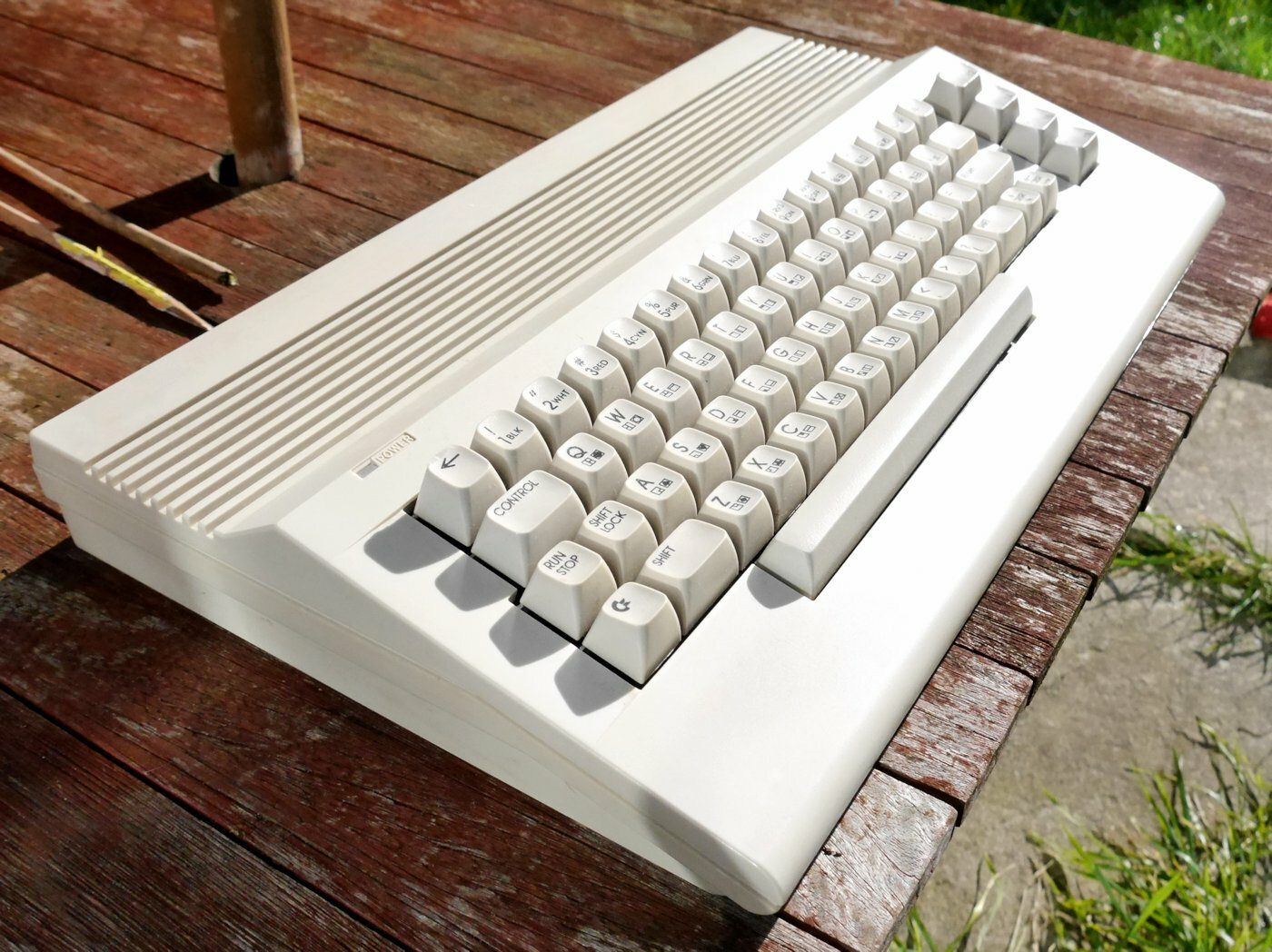
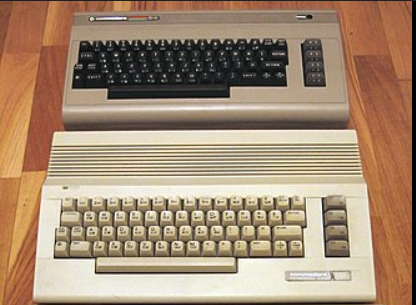
Commodore 64C
“The C64C wasn’t just a redesign—it was Commodore’s way of showing the world that the 64 was still relevant in the late 80s. That sleek, modern look made it feel like a whole new machine.” - Michael Tomczyk, Former Commodore Marketing Executive
The Commodore 64C (C64C) was a cost-reduced redesign of the classic Commodore 64, released in 1986. While functionally identical to the original “breadbin” C64, the C64C featured a completely new case design, improved keyboard, and updated motherboard that made it cheaper to produce and more reliable.
The Evolution of an Icon
By 1986, the original C64’s design was showing its age. The C64C represented Commodore’s effort to modernize the look of their best-selling computer while maintaining full compatibility with the massive library of existing software and peripherals.
Design Improvements
- Sleeker Case: The new design was lower profile and more contemporary
- Improved Keyboard: Better key action and more consistent feel
- Cooler Operation: New motherboard design ran cooler and more efficiently
- Lighter Color Scheme: Beige and light gray replaced the darker browns of the original
Technical Specifications
Technical Specifications
- CPU
- MOS Technology 6510 @ 0.985 MHz (PAL) / 1.023 MHz (NTSC)
- Memory
- 64 KB RAM + 20 KB ROM (BASIC 2.0)
- Graphics
- VIC-II (6569/8565) - 320×200, 16 colors, 8 sprites, smooth scrolling
- Sound
- SID 6581/8580 (3 channels, 4 waveforms, filter, ADSR)
- Storage
- Commodore 1541/1571 Floppy, 1530 Datasette, cartridge
- Ports
- 2× joystick, cartridge, tape, serial, TV/RF, A/V, user port, power
- Operating System
- Commodore KERNAL/BASIC 2.0
What’s New in the C64C
1. Hardware Revisions
- New SID Chip (8580): Later models featured the improved 8580 SID with better sound quality and reduced noise
- New VIC-II (8565): Updated video chip with better compatibility with modern displays
- Power LED: Added a power indicator light (missing on original models)
2. Manufacturing Improvements
- Reduced Chip Count: From 11 chips in the original to just 3 in later C64C models
- Lower Power Consumption: Used less power and generated less heat
- More Reliable: Fewer components meant fewer points of failure
3. Bundled Software
Later C64C bundles included:
- GEOS: A graphical operating system
- Magic Desk I: A productivity suite
- SpeedScript: A word processor
The C64C in Popular Culture
The C64C became the face of the Commodore 64 line in the late 1980s, appearing in:
- Movies: Featured in “The Secret of My Success” (1987)
- Television: Appeared in “Married… with Children” and other shows
- Magazines: Became the standard model featured in computer magazines
Collector’s Corner
Identifying Different C64C Models
- Early C64C (1986): Uses original 6581 SID and 6567/6569 VIC-II
- Late C64C (1987-1993): Features 8580 SID and 8565 VIC-II
- C64G: European variant with beige function keys
Common Issues
- SID Chips: The 8580 SID is more reliable than the 6581 but can still fail
- PLA Chips: The Programmable Logic Array is a common point of failure
- Power Supply: Original PSUs can fail and damage the computer
The C64C Legacy
While often overlooked in favor of the original “breadbin” C64, the C64C played a crucial role in keeping the platform relevant into the early 1990s. Its modern design and improved reliability made it the version many people remember most fondly.
“The C64C was my first computer. That sleek design made it feel like a spaceship compared to my friend’s old ‘breadbin.’ I spent countless hours learning to program and play games on it. To this day, the sound of the 1541 drive seeking takes me right back to 1988.” - David, Retro Computing Enthusiast
Technical Notes
Motherboard Revisions
- Short Board (250469): Used in early C64Cs, similar to late-model breadbins
- Aldi (250466): Used in some European models
- 64CR (250425): Final revision with the fewest chips
Video Output
- Composite: Improved over the original with less color bleeding
- Luma/Chroma: S-Video equivalent for best quality
- RF: Included for compatibility with older TVs
Sound Differences
- 6581 SID: Warmer sound but with some distortion
- 8580 SID: Cleaner sound but with slightly different filter characteristics
The C64C Today
Emulation
- VICE: The Versatile Commodore Emulator supports all C64C variants
- FPGA: Modern FPGA implementations accurately replicate the hardware
Modern Uses
- Retro Gaming: Many prefer the C64C for its reliability
- Music Production: The SID chip remains popular for chiptune music
- Collecting: Boxed C64Cs in good condition are highly sought after
Did You Know?
- The C64C was the last 8-bit computer sold by Commodore in the United States
- Some C64Cs were bundled with the GEOS operating system, turning them into productivity machines
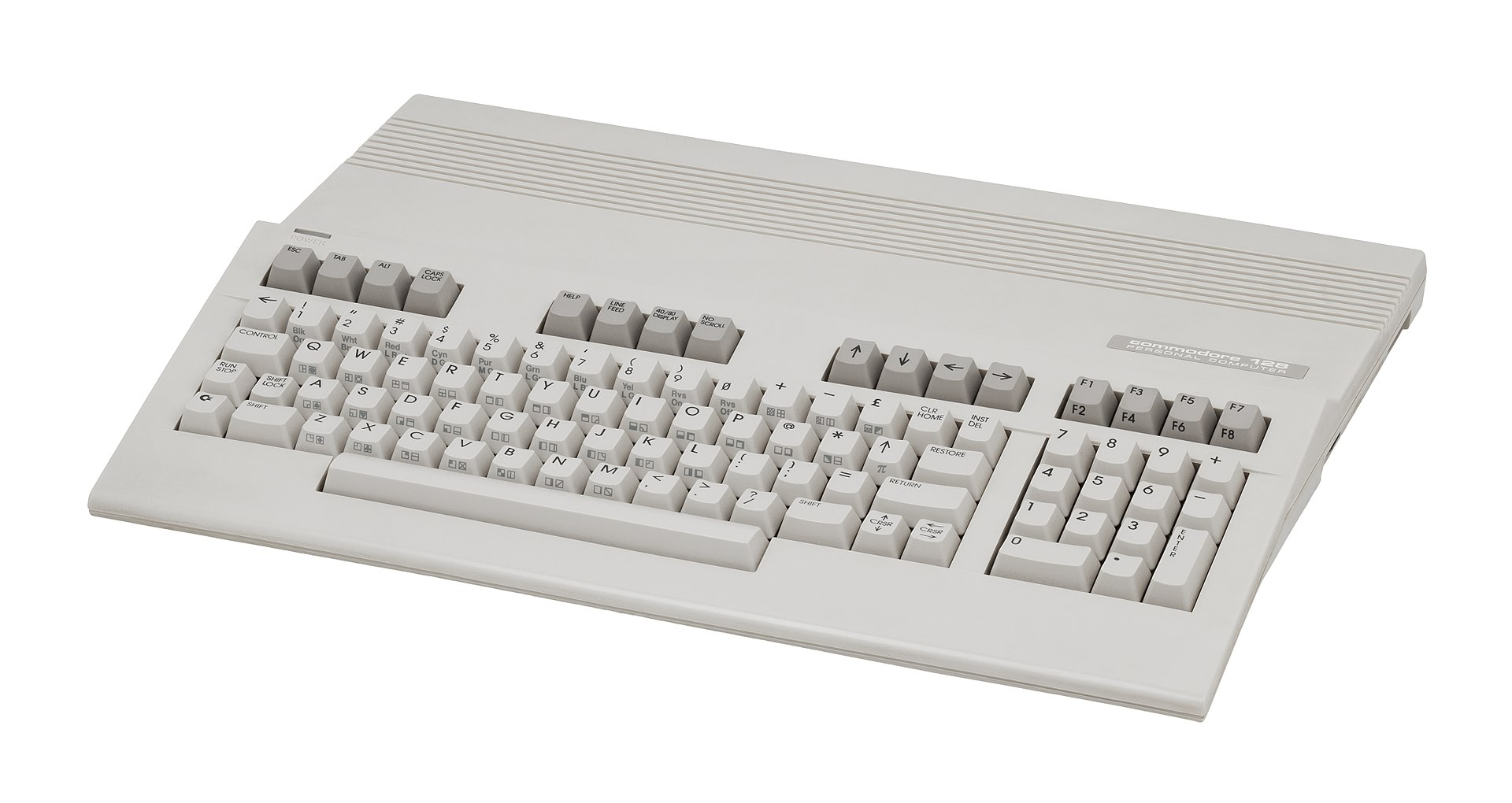
- The C64C’s design was so popular it was later used for the Commodore 128D