Commodore 900
Gallery
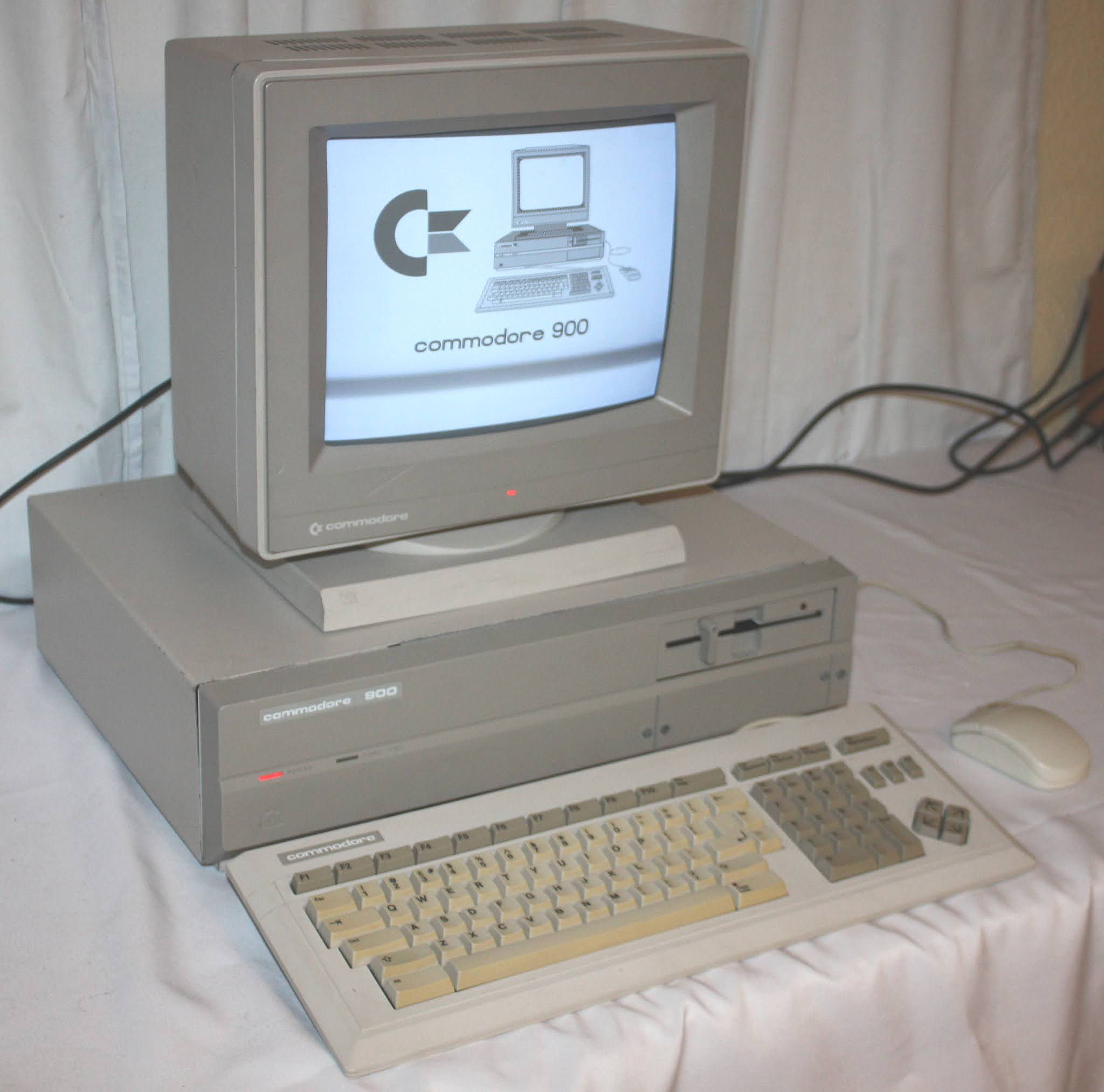
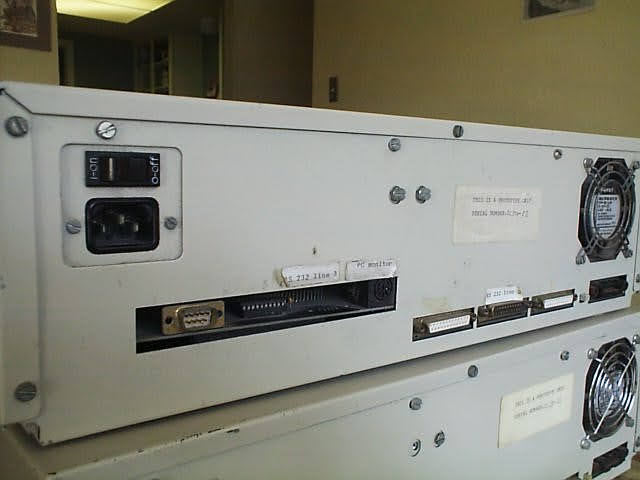
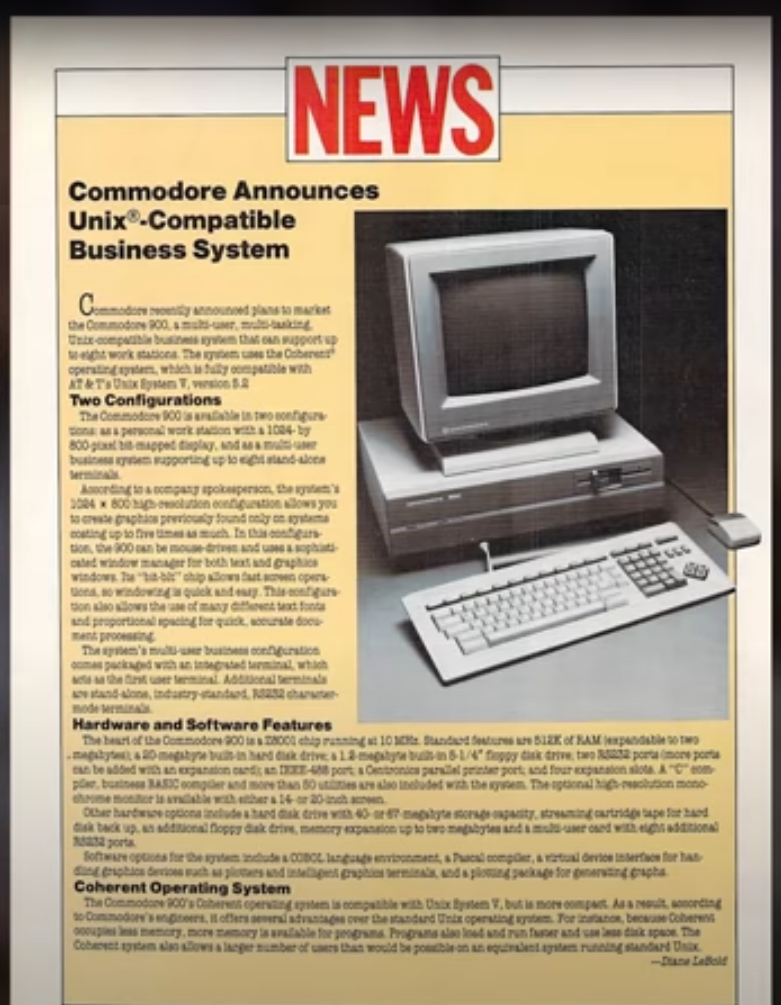
Commodore 900 (C900)
“The C900 was Commodore’s first serious attempt to break into the business workstation market. It was a completely different beast from the 8-bit line, with a 16-bit Z8000 processor, a proper operating system, and a serious focus on business applications. It was ahead of its time, but ultimately, it was the Amiga that would define Commodore’s future.” - Bil Herd, Commodore Engineer
The Commodore 900 (C900) was a prototype 16-bit workstation computer developed by Commodore in the mid-1980s. Designed as a business-oriented machine, it was intended to compete with systems like the IBM PC/AT and the emerging UNIX workstations. The C900 was based on the Zilog Z8000 processor and ran a variant of the Coherent operating system called Coherent 900. Despite promising specifications and a professional design, the project was canceled in favor of focusing on the Amiga line, and only a handful of prototypes were ever produced.
The Computer That Never Was
The C900 represented Commodore’s ambitious but ultimately unsuccessful attempt to enter the business and scientific workstation market. It was developed in parallel with the Amiga project but was canceled before reaching production, making it one of the rarest and most sought-after Commodore prototypes among collectors.
Key Features
- Zilog Z8000 CPU: 10 MHz 16-bit processor
- Memory: 256 KB RAM (expandable to 1 MB)
- Graphics: 1024×800 monochrome or 512×512 with 16 colors
- Storage: 10 MB hard drive and 5.25” floppy drive
- Operating System: Coherent 900 (UNIX-like)
- Networking: Built-in Ethernet (3Com 3C100)
Technical Specifications
Technical Specifications
- CPU
- Zilog Z8001 @ 10 MHz
- Memory
- 256 KB RAM (expandable to 1 MB)
- Graphics
- Custom ASIC - 1024×800 monochrome or 512×512 with 16 colors
- Sound
- Beeper (no dedicated sound chip)
- Storage
- 10 MB hard drive, 5.25" floppy drive (800 KB)
- Ports
- RS-232, parallel, keyboard, mouse, Ethernet, expansion bus
- Operating System
- Coherent 900 (UNIX-like)
Design and Features
Physical Design
- Case: Beige metal desktop case
- Dimensions: 16.5” × 16.5” × 6.5” (42 × 42 × 16.5 cm)
- Weight: ~30 lbs (13.6 kg)
- Keyboard: Detachable with integrated trackball
- Expansion: Internal expansion slots
Display
- Monitor: Separate monochrome or color display
- Resolutions:
- 1024×800 monochrome
- 512×512 with 16 colors
- Graphics Processor: Custom ASIC with bitplane support
Storage and I/O
- Hard Drive: 10 MB (standard)
- Floppy Drive: 5.25" double-sided (800 KB)
- Networking: Built-in 3Com 3C100 Ethernet
- Ports:
- 2× RS-232
- Parallel port
- Keyboard
- Mouse
- Expansion bus
The C900 Experience
Operating System
- Coherent 900: A UNIX-like operating system
- Multi-User: Supported multiple simultaneous users
- Networking: Built-in TCP/IP stack
- Development Tools: C compiler and UNIX utilities
Software
- Word Processing: Custom word processor
- Spreadsheet: Business applications
- Development: C programming environment
- Networking: TCP/IP utilities
For Business Use
- Document Processing: Word processing and desktop publishing
- Database Management: Business applications
- Software Development: C programming environment
- Networking: Multi-user capabilities
Technical Deep Dive
CPU and Memory
- Z8001 Processor: 16-bit with memory management
- Clock Speed: 10 MHz
- Address Space: 8 MB maximum
- Memory Bus: 16-bit
- Cache: None
Graphics System
- Custom ASIC: Bitplane graphics
- Resolutions:
- 1024×800 monochrome
- Hardware Cursor: Supported
Storage System
- Hard Drive: ST-506 interface
- Floppy Drive: 5.25” double sided
- Transfer Rates: ~5 MB/s (Ethernet)
The C900 Legacy
Development and Cancellation
- Prototypes: ~50 units produced
- Cancellation: 1985 (in favor of Amiga)
- Fate: Most prototypes destroyed
Why It Was Canceled
- Strategic Shift: Focus on Amiga
- Market Timing: Business market already crowded
- Cost: Expensive to produce
- Software: Limited third-party support
Collector’s Item
- Rarity: Extremely rare
- Value: $10,000-$50,000+ at auction
Notable Software
System Software
- Coherent 900: Custom UNIX-like OS
- Development Tools: C compiler, assembler, debugger
- Networking: TCP/IP stack
Applications
- Word Processor: Custom application
- Terminal Emulator: For mainframe access
- Development Environment: C programming
Technical Notes for Enthusiasts
Known Issues
- Hardware Compatibility: Limited expansion
- Software Availability: Very little software
- Documentation: Scarce
Restoration Tips
- Power Supply: May need recapping
- Hard Drive: Likely needs replacement
- Keyboard: Clean trackball mechanism
Modern Upgrades
- SCSI Adapter: For modern storage
- Ethernet: May need transceiver
- Display: May need custom adapter
The C900 Today
Emulation
- MAME: Partial emulation
- SIMH: Z8000 emulation
- Custom Solutions: Limited availability
Community
- Forums: Vintage Computer Forums
- Collectors: Small but dedicated
- Preservation: Efforts to document
Did You Know?
- The C900 was developed under the code name “Z8000”
- Some C900 prototypes were used internally at Commodore
- The C900’s design influenced later Amiga models
- The operating system was based on Mark Williams’ Coherent
- The C900 was intended to compete with UNIX workstations
The C900 in Popular Culture
- Rarely mentioned in mainstream media
- Featured in a few retro computing documentaries
- The subject of collector-focused YouTube videos
- Mentioned in books about Commodore’s history