Commodore SX-64
Gallery
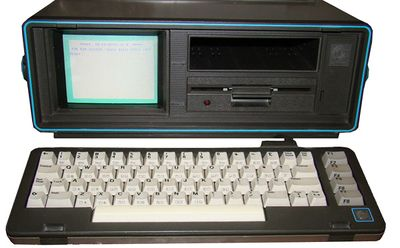
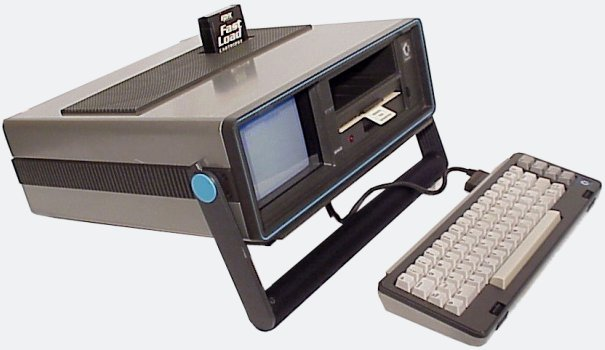
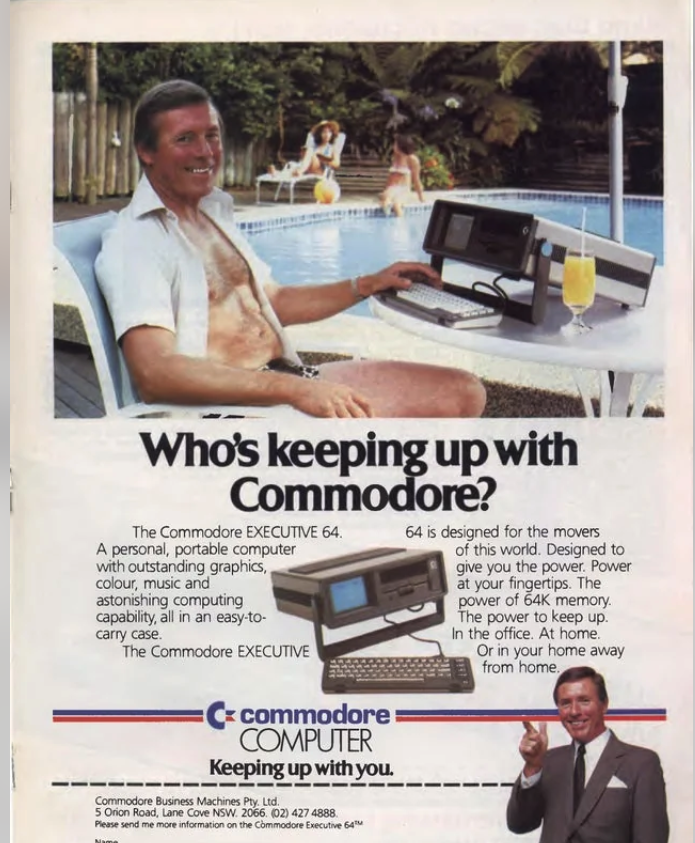
Commodore SX-64 (Executive 64)
“The SX-64 was way ahead of its time. It was the first portable computer with a color display, and it was a full-powered C64. We called it the ‘portable C64 with a handle’ because it was the first computer you could actually carry around with everything built in.” - Bil Herd, Commodore Engineer
The Commodore SX-64, also known as the Executive 64 or VIP-64 in Europe, was a portable version of the popular Commodore 64 home computer. Released in January 1984, it holds the distinction of being the first portable computer to feature a full-color display. Unlike modern laptops, the SX-64 was more of a “luggable” computer, weighing 23 pounds (10.5 kg), but it included everything needed for computing in one package: a full-size keyboard, 5-inch color CRT display, and a built-in 1541-compatible floppy drive.
The World’s First Color Portable
The SX-64 was designed for business professionals, journalists, and computer enthusiasts who needed computing power on the go. While its weight and power requirements made it less portable than modern laptops, it was revolutionary for its time, offering full C64 compatibility in a single, transportable package.
Key Features
- Built-in 5” Color CRT Display: 320×200 resolution with 16 colors
- Full-Size Keyboard: Identical to the desktop C64
- Integrated 1541-Compatible Floppy Drive: Single-sided, 170KB capacity
- All Ports of Original C64: Including cartridge, tape, serial, and video out
- Stereo Sound: Through built-in speakers or headphone jack
- Detachable Handle: For easier transport
Technical Specifications
Technical Specifications
- CPU
- MOS 6510 @ 0.985 MHz (PAL) / 1.023 MHz (NTSC)
- Memory
- 64 KB RAM + 20 KB ROM (BASIC 2.0)
- Graphics
- VIC-II - 320×200, 16 colors, 8 sprites, smooth scrolling
- Sound
- SID 6581 - 3 channels, 4 waveforms, filter, ADSR
- Storage
- Built-in 1541-compatible floppy drive (5.25", 170KB), external drives via serial
- Ports
- Cartridge, tape, serial, TV/RF, 2× joystick, video out, audio out, power
- Operating System
- Commodore KERNAL/BASIC 2.0
Design and Features
Physical Design
- Case: Beige plastic with built-in handle
- Dimensions: 14.5” × 13” × 6” (37 × 33 × 15 cm)
- Weight: 23 lbs (10.5 kg)
- Display: 5” color CRT, 320×200 resolution
- Keyboard: Full-travel, 66-key with numeric keypad
Display
- Type: 5” Shadow Mask CRT
- Resolution: 320×200 pixels
- Colors: 16 (from a palette of 16)
- Text Modes: 40×25 characters
- Viewing Angle: Adjustable from 0 to 90 degrees
Storage and I/O
- Floppy Drive: 1541-compatible, single-sided, 170KB
- Expansion: Cartridge port for software and hardware
- Video Output: Composite video out for external monitor
- Audio: Built-in speaker and headphone jack
- Power: Internal power supply with auto-switching 100-240V
The SX-64 Experience
Portability
- All-in-One Design: No separate components needed
- Quick Setup: Just plug in and power on
- Durability: Built to withstand transport
- Battery Option: Optional external battery pack available
For Business Use
- Word Processing: SpeedScript, Vizawrite
- Spreadsheets: SuperCalc, Multiplan
- Database: File 2000, dBase II
- Communications: Terminal programs for BBS access
For Gaming
- Full C64 Compatibility: Thousands of games
- Built-in Display: Color gaming anywhere
- Stereo Sound: Through headphones
- Two-Player Support: With second joystick
Technical Deep Dive
Motherboard
- Custom ICs: Same as C64 (VIC-II, SID, CIA, etc.)
- Power Supply: Internal switching power supply
- Cooling: Internal fan for ventilation
- Shielding: RF shielding for FCC compliance
Display System
- CRT Controller: Custom Commodore chip
- Video Memory: Shared with main RAM
- Refresh Rate: 50 Hz (PAL) / 60 Hz (NTSC)
- Brightness/Contrast: Adjustable controls
Audio System
- SID Chip: MOS 6581
- Channels: 3 voices + noise
- Filters: Programmable high/low/bandpass
- Output: 1W mono speaker, stereo headphone jack
The SX-64 Legacy
Commercial Performance
- Release: January 1984
- Discontinuation: 1986
- Price: $995 (about $2,800 in 2025 dollars)
- Units Sold: Estimated 10,000-15,000
Why It Stood Out
- First Color Portable: Beat competitors to market
- Full Compatibility: Ran all C64 software
- Build Quality: Durable construction
- Innovation: Ahead of its time
Collector’s Item
- Rarity: Becoming increasingly rare
- Price Range: $300-$2,000+
- Sought-After Items:
- Original packaging
- Accessories
- Documentation
- Working units
Notable Software
Business
- SpeedScript: Word processor
- SuperCalc: Spreadsheet
- File 2000: Database
- VizaTerm: Terminal program
Development
- Simon’s BASIC: Enhanced BASIC
- Machine Language Monitor: For programming
- Assemblers: Various options
Games
- Impossible Mission: Platformer
- Pitstop II: Racing
- Raid on Bungeling Bay: Action
- The Bard’s Tale: RPG
Technical Notes for Enthusiasts
Common Issues
- CRT Degradation: Dim or blurry display
- Floppy Drive: Alignment issues
- Keyboard: Worn keycaps
- Power Supply: Capacitor failure
Restoration Tips
- Recap Power Supply: Replace old capacitors
- Clean Keyboard: Disassemble and clean
- CRT Adjustment: Focus and brightness pots
- Floppy Drive: Clean heads, adjust alignment
Modern Upgrades
- SD2IEC: SD card storage
- RAM Expansions: Up to 512KB
- Video Output: RGB/HDMI mods
- WiFi Modem: Internet connectivity
The SX-64 Today
Emulation
- VICE: Accurate SX-64 emulation
- MAME: Arcade emulation with SX-64 support
- FPGA: Hardware-accurate recreations
Community
- Forums: Lemon64, Denial
- User Groups: Local meetups
- Preservation: Documentation efforts
Uses
- Retro Gaming: Authentic experience
- Collecting: Vintage computing
- Education: Computer history
- Art: Chiptune performances
Did You Know?
- The SX-64 was used by the U.S. military for portable computing
- Some SX-64s were modified for use in arcade machines
- The SX-64’s CRT is nearly identical to those used in portable TVs of the era
- A rare variant called the DX-64 had two floppy drives
- The SX-64 was used by journalists for on-the-spot reporting
The SX-64 in Popular Culture
- Featured in the movie “Superman III” (1983)
- Appeared in the TV show “Whiz Kids” (1983-1984)
- Mentioned in the book “Hackers: Heroes of the Computer Revolution”
- The subject of numerous YouTube restoration videos