Commodore VIC-20
Gallery
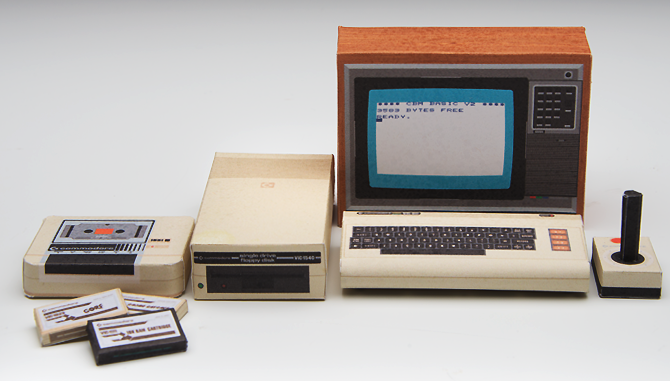
Commodore VIC-20 (VC-20 in Germany/Europe)
“The VIC-20 was the first computer I ever used. It was love at first sight. That moment when I typed my first BASIC program and saw it run changed my life forever.” - John, VIC-20 Enthusiast
The Commodore VIC-20 (known as the VC-20 in Germany and Europe) was an 8-bit home computer that made history as the first computer to sell one million units. Released in 1980, it brought computing into homes at an unprecedented price point, making it many people’s first computer.
Historical Significance
Introduced at a time when home computers were either expensive business machines or limited hobbyist kits, the VIC-20 struck a perfect balance between affordability and capability. It was the first computer to be sold in regular department stores, making it accessible to the general public.
The “Friendly Computer”
Commodore marketed the VIC-20 as “The Friendly Computer,” emphasizing its approachability for beginners. The name VIC stood for “Video Interface Chip,” which powered both the graphics and sound capabilities of the machine.
Technical Specifications
Technical Specifications
- CPU
- MOS Technology 6502 @ 1.02 MHz (PAL: 1.108 MHz)
- Memory
- 5 KB RAM (3.5 KB available to BASIC) + 16 KB ROM
- Graphics
- VIC (6560/6561) - 176×184 (PAL: 176×256), 16 colors, 8×8 character cells
- Sound
- VIC (6560/6561) - 3 voices + noise, 4 octaves
- Storage
- Datasette (tape), 5.25" floppy disk (via expansion), cartridge
- Ports
- Cartridge, tape, serial (for disk drives/printers), TV/RF, A/V, power, user port
- Operating System
- Commodore BASIC 2.0
Features
1. Affordable Computing
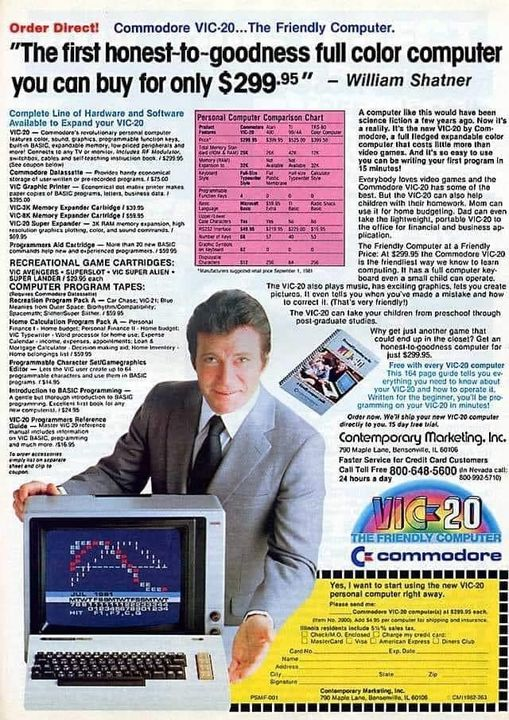
At $299.95 (about $1,000 in 2025 dollars), the VIC-20 was significantly cheaper than competitors like the Apple II ($1,298) and the Atari 800 ($899).
2. Built-in BASIC
Came with Commodore BASIC 2.0 in ROM, allowing users to program the computer right out of the box.
3. Expandable Memory
Started with just 5KB of RAM (3.5KB available to BASIC), but could be expanded to 32KB with plug-in cartridges.
4. Color Graphics
One of the first affordable computers with color graphics, supporting 16 colors (though with limitations on how they could be used).
5. Game Cartridges
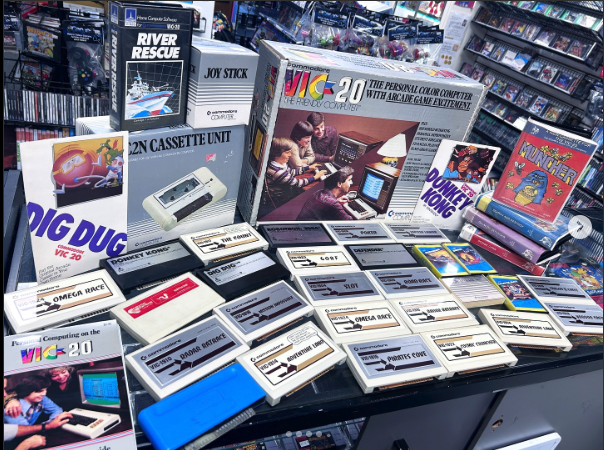
Supported plug-and-play cartridges, making it easy for non-technical users to play games.
Anecdotes and Trivia
The “Why Buy Just a Video Game?” Campaign
Commodore’s marketing genius positioned the VIC-20 as more than just a game machine. A famous ad campaign asked, “Why buy just a video game?” highlighting that for the price of an Atari 2600, you could have a full computer.
The William Shatner Connection
In one of the first celebrity tech endorsements, William Shatner (Captain Kirk from Star Trek) appeared in VIC-20 commercials, famously asking, “Are you keeping up with the Commodore? Because Commodore is keeping up with you.”
The PET Connection
The VIC-20 used the same 6502 processor as the more expensive Commodore PET, making it compatible with much of the same software, though with some modifications for the different video hardware.
Technical Quirks
The 3.5KB Memory Limit
With only 3.5KB of RAM available to BASIC, programmers had to be extremely efficient. This limitation led to creative programming techniques and optimization strategies that became legendary in the programming community.
The “Killer Poke”
POKE 36878,15 - This command would set the volume to maximum, potentially damaging the TV’s speaker if left on too long.
Legacy
The VIC-20’s success directly led to the development of the Commodore 64, which used many of the same components but with significant improvements. Many of the people who grew up with VIC-20s went on to become professional programmers, citing their early experiences with the machine as foundational to their careers.
“The VIC-20 wasn’t just a computer; it was a gateway to a new world of possibilities. It taught an entire generation that technology wasn’t just something you used—it was something you could understand and create with.” - Dr. Sarah Chen, Computer Science Professor
Notable Software
- Omega Race - One of the most popular VIC-20 games
- Radar Rat Race - Pack-in game that showed off the VIC-20’s capabilities
- VICtoria Gold - A word processor that pushed the system to its limits
- Super Expander - Added advanced graphics and sound commands to BASIC
Technical Specifications (Expanded)
CPU
- MOS Technology 6502A
- 1.02 MHz (NTSC) / 1.108 MHz (PAL)
- 8-bit architecture
Memory
- 5 KB RAM (3.5 KB available to BASIC)
- 16 KB ROM (includes BASIC 2.0 and KERNAL)
- Expandable to 32 KB via cartridge port
Video
- VIC (6560/6561) chip
- Text modes: 22×23 characters (default)
- Graphics: 176×184 pixels (NTSC) / 176×256 (PAL)
- 16 colors (8 primary, 8 for multicolor modes)
- 8 sprites (restricted to single color per line)
Sound
- 3 voices + noise
- 4 octaves
- Built-in speaker
Storage
- Tape drive (Commodore 1530 Datasette)
- Optional 5.25” floppy drive (VIC-1540/1541)
- Cartridge slot for ROM cartridges
Input/Output
- Full-stroke QWERTY keyboard (66 keys)
- Joystick ports (Atari-compatible)
- User port (for modems, etc.)
- Serial bus (for disk drives/printers)
- TV output (RF and composite)
- Cassette port
- Cartridge port
Power
- External power supply
- 15W power consumption
Technical Notes for Collectors
Common Issues
- Power Supply: The original power supplies are prone to failure and can damage the computer. Modern replacements are recommended.
- Keyboard: The mylar keyboard membranes can wear out, causing keys to become unresponsive.
- Chips: The VIC and 6502 chips can fail due to heat over time.
Restoration Tips
- Always replace the power supply with a modern equivalent
- Clean the keyboard contacts with isopropyl alcohol
- Replace any leaking capacitors
- Consider adding a heat sink to the voltage regulator
In Popular Culture
The VIC-20 has made appearances in various media, including:
- Featured in the movie “Terminator 2: Judgment Day” (on a desk in John Connor’s room)
- Mentioned in the TV show “The Goldbergs” (season 3, episode 7)
- Referenced in the book “Ready Player One” by Ernest Cline